Skin Aging Is a Lie We’ve Been Telling Ourselves: The AgeSmart Science of Skin Longevity
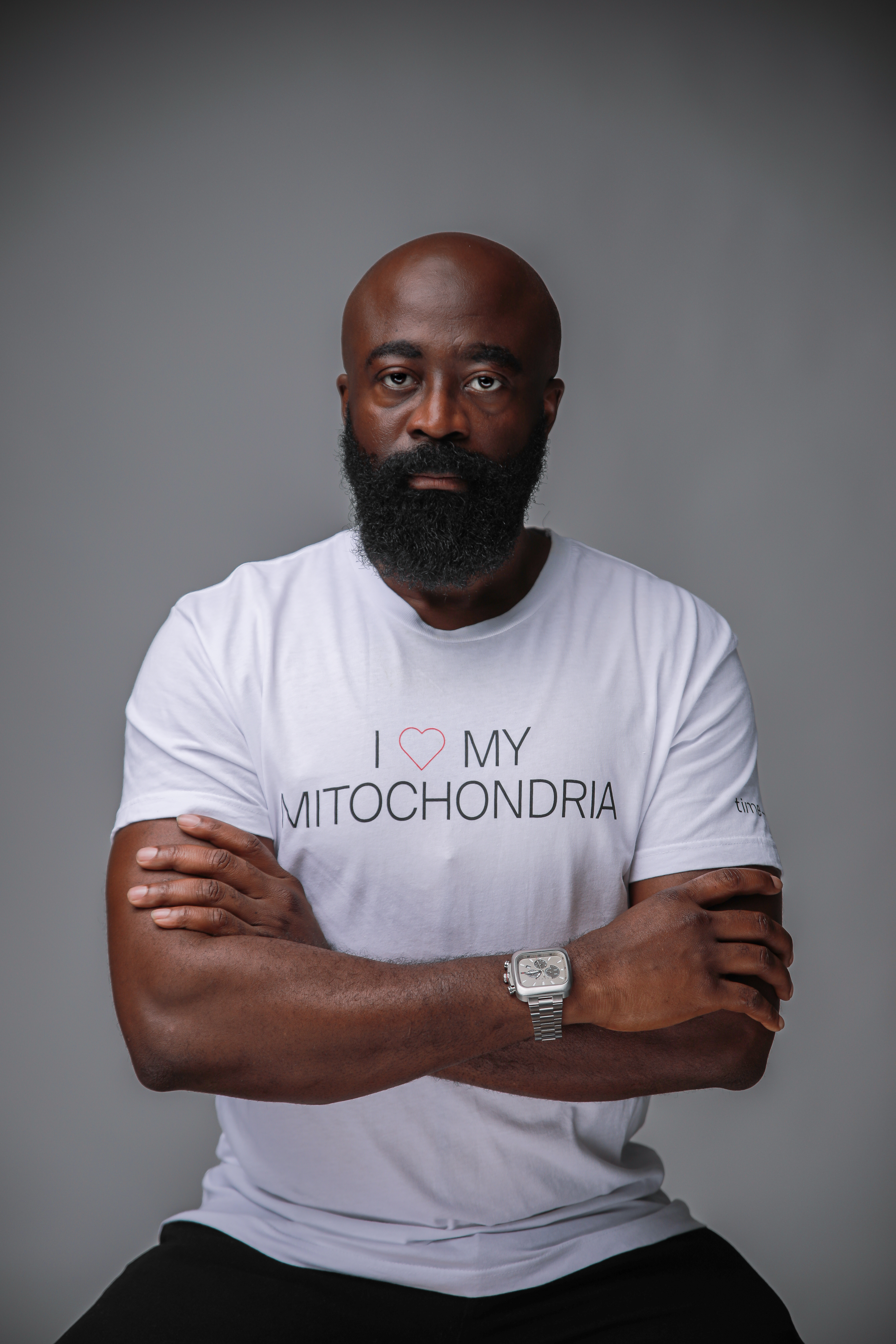
Updated: Dec 7, 2025
Intro
For decades, we were told skin aging was just about wrinkles, collagen loss, and too much sun. That story is outdated. Modern research now shows that skin aging is a cellular longevity problem, driven by inflammation, mitochondrial decline, hydration status, and metabolic stress. The AgeSmart approach doesn’t chase wrinkles, it rewires the biology beneath them.
AgeSmart vs Average Path
Average Path
Treats skin aging as cosmetic only
Chases wrinkles with surface products
Ignores inflammation, mitochondria, and hydration
Focuses on appearance instead of biology
AgeSmart Path
Treats skin aging as a systemic longevity issue
Targets cellular energy, inflammation, and collagen biology
Protects skin from the inside and outside
Prioritizes function first, beauty second
Core Benefits of the AgeSmart Skin Longevity Strategy
1. Stronger Skin Barrier
A healthy barrier reduces water loss, inflammation, and environmental damage. Barrier lipids directly influence aging speed by controlling oxidative stress and immune activation.
2. Lower Micro-Inflammation
Chronic low-grade inflammation accelerates collagen breakdown and pigment disruption. Reducing inflammatory signaling slows visible aging at the structural level.
3. Higher Mitochondrial Output
Mitochondria power collagen production, wound healing, and cellular turnover. As mitochondrial efficiency drops with age, skin loses firmness, glow, and repair capacity.
4. Preserved Collagen Architecture
After age 30, collagen degradation accelerates sharply. Supporting collagen synthesis and reducing enzymatic breakdown preserves skin thickness and elasticity.
5. Stable Pigment & Tone Control
Melanocyte dysfunction is driven more by oxidative stress and metabolic strain than by genetics alone. Controlling cellular stress stabilizes pigment production.
6. Intelligent Hydration
Skin aging accelerates in dehydrated tissue due to enzyme dysfunction, impaired barrier repair, and collagen destabilization.
Average Path vs AgeSmart Path
Category | Average Path | AgeSmart Path |
View of Aging | Cosmetic problem | Cellular longevity issue |
Main Focus | Wrinkle reduction | Mitochondria, collagen, inflammation |
Hydration | Surface only | Internal + topical |
Barrier Care | Optional | Mandatory |
Inflammation | Ignored | Actively controlled |
Results | Temporary smoothing | Long-term skin resilience |
How to Apply This in Daily Life (Action Steps)
Lock in your skin barrier
Use a barrier-repair moisturizer with glycerin, shea butter, or oat lipids. Apply within 2 minutes after cleansing.
Lower inflammation daily
Eat berries, leafy greens, turmeric, and green tea. Use niacinamide or azelaic acid topically.
Feed your mitochondria
Get 10 minutes of morning sunlight. Eat CoQ10- and B-vitamin-rich foods. Use retinoids or peptides at night.
Protect collagen actively
Use vitamin C in the morning, sunscreen daily (even indoors), and ensure protein and glycine intake.
Hydrate with electrolytes, not just water
Add trace salt to morning water. Eat water-rich foods. Seal hydration with hyaluronic acid + moisturizer.
Risks & Considerations
Overuse of acids and retinoids can weaken the skin barrier
Chronic under-eating lowers collagen production
Poor sleep elevates cortisol, accelerating skin thinning
Excess UV exposure overrides most skincare benefits
Inflammatory diets blunt mitochondrial function
The AgeSmart rule is simple: repair before you stimulate.
AgeSmart Takeaway
Skin aging is not a surface problem, it is a cellular energy, inflammation, and hydration problem. The AgeSmart Path flips the model by protecting mitochondria, collagen, and barrier integrity first. When the biology shifts, the appearance follows.
FAQ
1. What actually causes skin aging at the cellular level?Mitochondrial decline, chronic inflammation, collagen breakdown, oxidative stress, and dehydration.
2. Does hydration really affect wrinkles?Yes. Dehydrated tissue accelerates enzyme-driven collagen degradation.
3. Is collagen loss the main cause of aging skin?It is a major factor, but inflammation and mitochondrial dysfunction drive the loss.
4. Can you slow skin aging naturally?Yes. Through nutrition, sleep, UV protection, inflammation control, and barrier support.
5. Why does inflammation age skin so fast?It activates enzymes that degrade collagen and disrupt pigment regulation.
6. Does mitochondrial health affect skin glow?Directly. Mitochondria regulate cellular turnover, repair, and oxygen utilization.
7. Can internal hydration improve skin appearance?Yes. Electrolytes stabilize cellular water balance and enzyme activity.
8. Is sunscreen still necessary indoors?Yes. UVA radiation penetrates windows and degrades collagen.
References (Peer-Reviewed)
Next Steps
You now have proven, science-backed biohacks to start reversing your biological age. The real magic happens when these are tailored to your biology, tracked with data, and sustained over time.
Get Your Personalized Plan — Book a 1:1 Biohacker Consultation and I’ll design a protocol based on your unique biomarkers, goals, and lifestyle.
Follow me on YouTube, Instagram and TikTok for daily longevity tips, supplement breakdowns, and behind-the-scenes of my own biohacking journey:
Youtube: OutSmart_Aging
Instagram: outsmart_aging
Tiktok: outsmart_aging
Disclaimer:This blog is for general information only. It’s not medical advice and doesn’t create a doctor–patient relationship. Nothing here should ever replace guidance from a qualified health-care professional. Always speak with your doctor about questions or concerns regarding your health. Never delay or ignore medical advice because of something you read here. Any action you take based on this content—or anything linked from it—is entirely at your own risk.

Comments