The Science of Aging: Why We Don’t Have to “Grow Old” the Way We Were Told
Updated: Dec 3, 2025
Aging isn’t a slow slide into decline — that’s the outdated story we were raised on.The real science of aging shows something far more rebellious: your biological age is flexible, programmable, and deeply influenced by daily choices.This guide breaks down the mechanisms of aging in a clear, AgeSmart way — and shows how to intervene at the cellular level.
AgeSmart vs Average Path
The Average Path | The AgeSmart Path |
Follows myths about aging being “inevitable.” | Treats aging like a modifiable biological process. |
Focuses only on disease, not prevention. | Targets cellular health decades before symptoms show. |
Accepts low energy, weight gain, and brain fog as “normal.” | Tracks metrics (HRV, glucose, VO₂ max, sleep) to slow decline. |
Reacts to illness late. | Intervenes early using proven longevity pathways. |
Follows traditional nutrition and exercise norms. | Uses fasting, strength training, recovery science, and precision nutrition. |
Core Benefits — The Real Science of Aging (Backed by Research)
Below are the major aging mechanisms — and why they matter for anyone who wants to stay younger longer.
1. Mitochondrial Decline
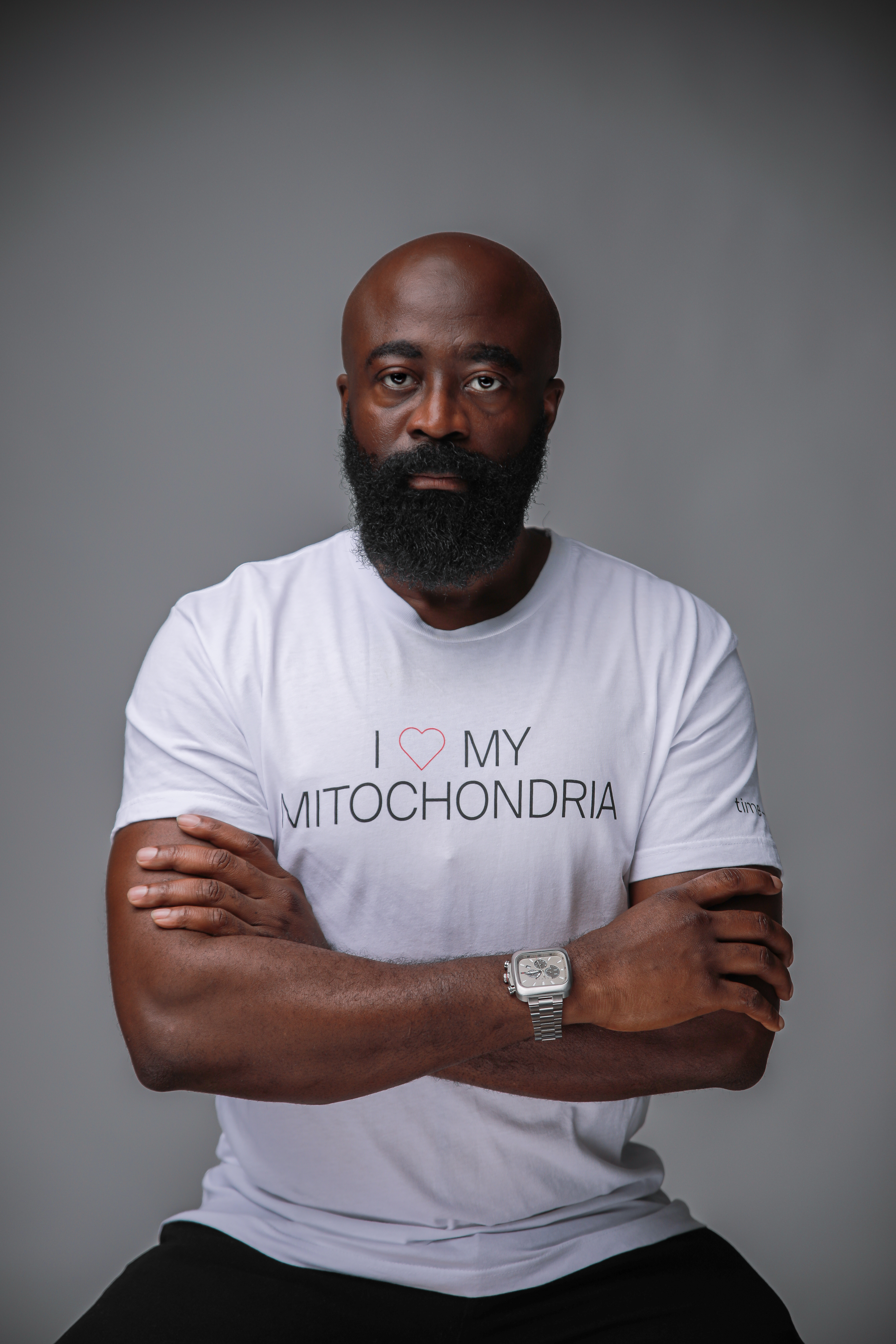
Your mitochondria are your energy engines. As they weaken, you lose power, motivation, metabolic flexibility, and brain performance.AgeSmart lifestyle choices (zone 2 training, cold therapy, creatine, CoQ10, PQQ, Mitopure) keep them strong.
2. Chronic Inflammation (“Inflammaging”)
Chronic low-grade inflammation accelerates every hallmark of aging.An AgeSmart approach uses:
omega-3s
polyphenols
sleep optimization
metabolic control
to keep inflammation low.
3. Cell Senescence (“Zombie Cells”)
Old, dysfunctional cells accumulate and release toxic signals.Senolytics, fasting, strength training, and autophagy help clear them.
4. Telomere Shortening
Your telomeres shorten with stress, poor sleep, and chronic inflammation.AgeSmart strategies: meditation, vitamin D optimization, omega-3s, and exercise patterns that preserve telomere length.
5. Loss of Proteostasis
Proteins misfold as we age; your body becomes less efficient at cleaning them.Fasting, heat exposure, and high-protein diets help maintain proteostasis.
6. DNA Damage
UV exposure, toxins, and lifestyle choices affect DNA over time.Sleep, antioxidants, and minimizing processed foods reduce DNA injury.
7. Metabolic Dysfunction
High glucose, high insulin, and low muscle mass speed aging.AgeSmart focuses on:
muscle-first training
high-quality protein
stable glucose
fasting windows to improve AMPK and autophagy.
Comparison Table — What Ages You vs What Reverses It
Aging Accelerators | AgeSmart Reversers |
High sugar, processed food | Protein-dominant whole foods |
Sedentary lifestyle | Daily movement + strength training |
High stress, poor sleep | Sleep optimization + stress control |
Chronic inflammation | Omega-3s, polyphenols, HRV training |
Loss of muscle | Progressive overload + zone 2 |
Low vitamin D | Optimized vitamin D + sunlight |
Mitochondrial damage | Creatine, PQQ, Mitopure, cold exposure |
How to Apply This in Daily Life
1. Lift weights 3–4 times per week
Muscle is one of the strongest predictors of healthy aging.
2. Walk 8,000–12,000 steps daily
Movement suppresses glucose, inflammation, and mitochondrial decline.
3. Optimize vitamin D and omega-3
Two of the strongest anti-aging biomarkers.
4. Track sleep, HRV, and glucose
You can’t improve what you don’t measure.
5. Use strategic fasting
12–14 hours daily or longer fasts periodically to boost autophagy and metabolic flexibility.
Risks & Considerations
Over-supplementation without testing can backfire.
Extreme fasting or overtraining may worsen cortisol and metabolic health.
Longevity protocols must be personalized — genetics, hormones, and stress levels matter.
Work with a clinician for labs (DunedinPACE, ApoB, fasting insulin, hs-CRP).
✅ AgeSmart Takeaway
Aging isn’t a fixed timeline — it’s programmable biology.When you target mitochondrial health, inflammation, muscle, and metabolic control, you slow the speed of aging dramatically.AgeSmart choices today create a younger you tomorrow.
FAQ
1. What is the science of aging?
It’s the study of biological processes — like inflammation, mitochondrial decline, and DNA damage — that drive physical and cognitive decline.
2. Can you slow aging?
Yes. Lifestyle, nutrition, and targeted interventions can reduce biological age.
3. What is the difference between aging and disease?
Aging is the underlying process; disease is the symptom that appears when aging is accelerated.
4. What biomarkers matter most for aging?
HRV, VO₂ max, fasting insulin, vitamin D, telomere length, inflammation markers.
5. Does muscle slow aging?
Yes. Higher muscle mass is linked to lower mortality and better metabolic health.
6. What foods accelerate aging?
High sugar, ultra-processed foods, seed oils, alcohol, and anything that spikes glucose.
7. Can supplements slow aging?
Some — like omega-3s, vitamin D, creatine, PQQ, and polyphenols — support key pathways.
8. What is the #1 thing that ages people fastest?
Chronic inflammation and unstable glucose.
References
Next Steps
You now have proven, science-backed biohacks to start reversing your biological age. The real magic happens when these are tailored to your biology, tracked with data, and sustained over time.
Get Your Personalized Plan — Book a 1:1 Biohacker Consultation and I’ll design a protocol based on your unique biomarkers, goals, and lifestyle.
Follow me on YouTube, Instagram and TikTok for daily longevity tips, supplement breakdowns, and behind-the-scenes of my own biohacking journey:
Youtube: OutSmart_Aging
Instagram: outsmart_aging
Tiktok: outsmart_aging
Disclaimer:This blog is for general information only. It’s not medical advice and doesn’t create a doctor–patient relationship. Nothing here should ever replace guidance from a qualified health-care professional. Always speak with your doctor about questions or concerns regarding your health. Never delay or ignore medical advice because of something you read here. Any action you take based on this content—or anything linked from it—is entirely at your own risk.


Comments